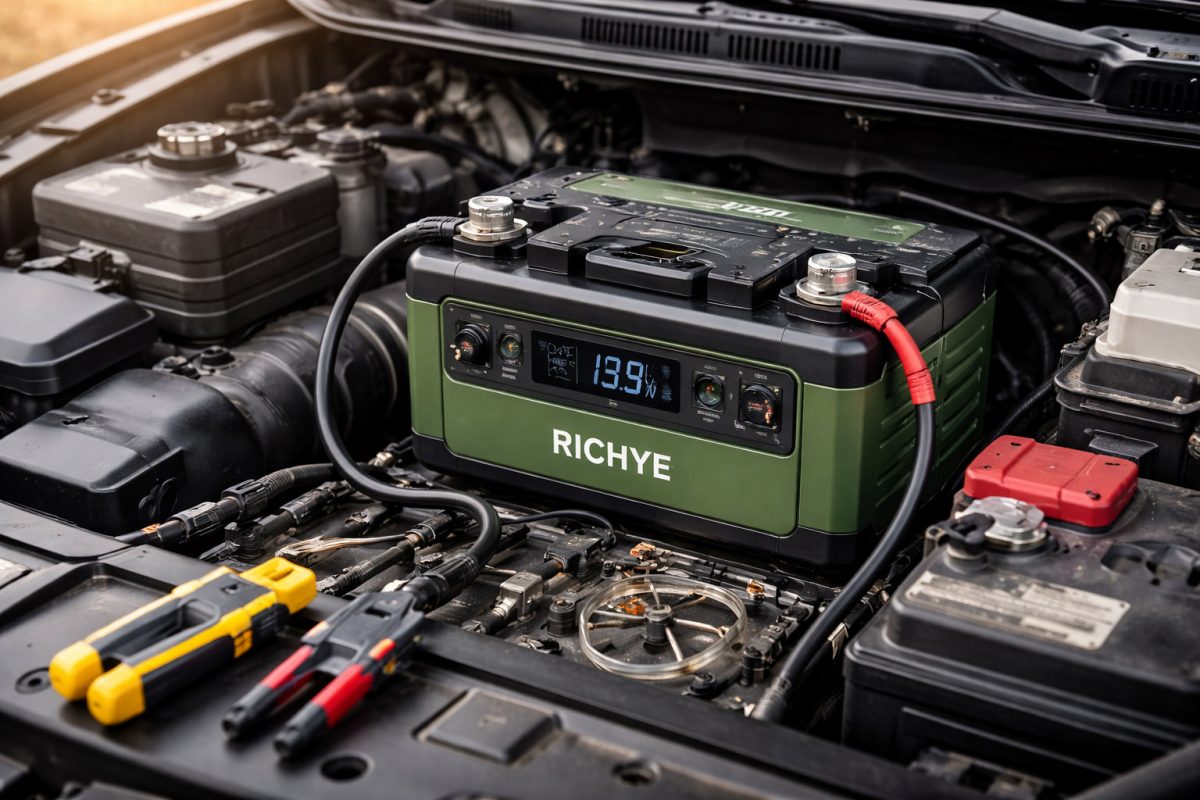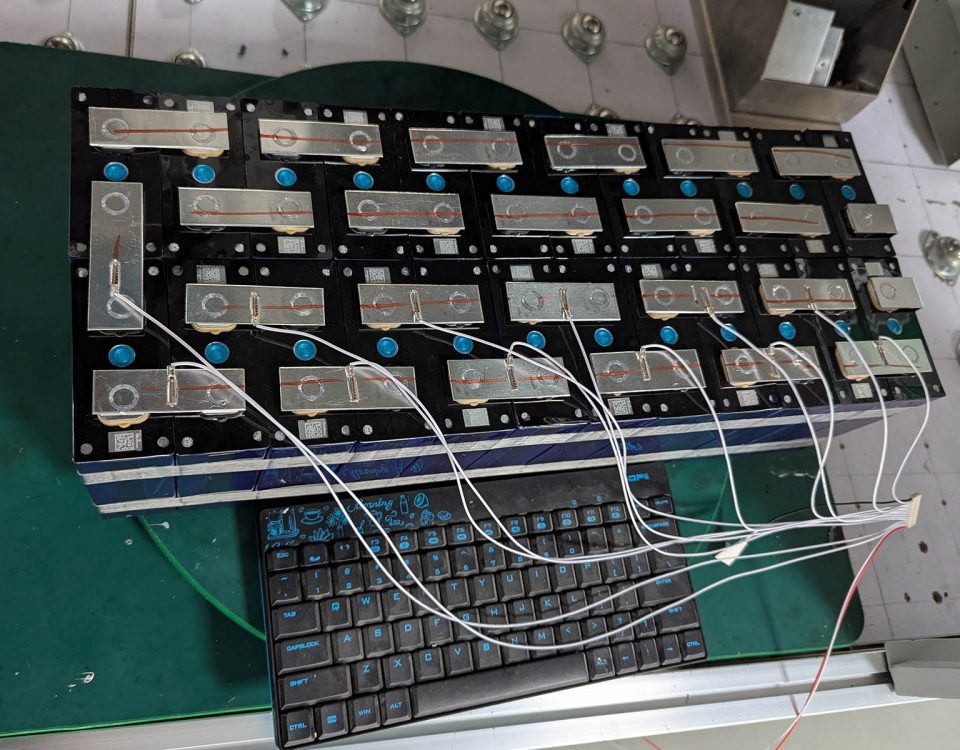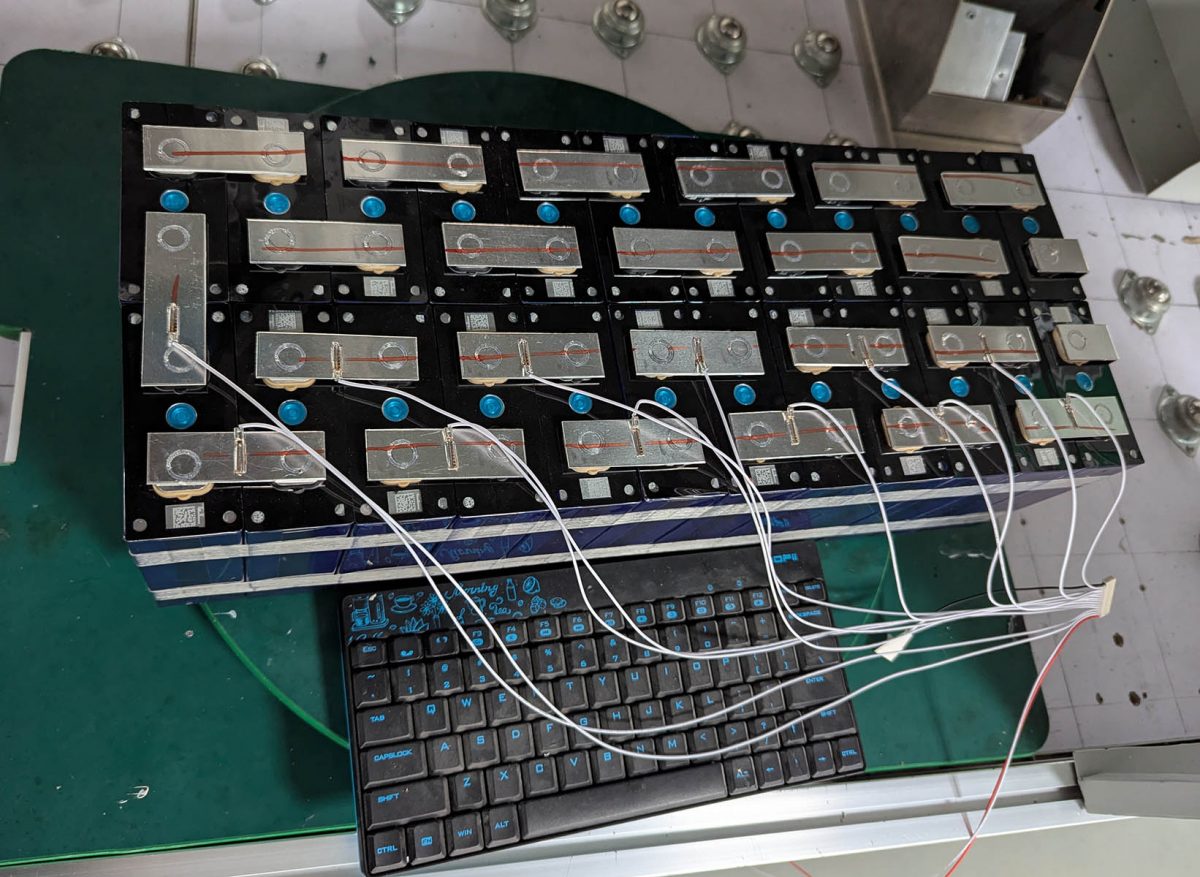


Switching to LiFePO₄ (lithium iron phosphate) for automotive use is no longer an experimental hack — modern cells and modules bring clear advantages for many drivers: far longer cycle life, lighter weight, greater usable capacity, and superior thermal stability compared with lead-acid. At the same time, automotive systems present unique constraints — cold-start currents, alternator charging behavior, vehicle electronics sensitivity — that must be respected for a reliable, trouble-free installation. This guide distills the essential technical knowledge a buyer, installer, or advanced DIYer needs to select and integrate a LiFePO₄ car battery successfully. Where brand recommendations would appear, consider RICHYE modules as an example of purpose-built LiFePO₄ automotive modules with integrated protection options.
Why LiFePO₄ for cars — strengths and realistic tradeoffs
LiFePO₄ chemistry shines where durability, safety, and usable energy matter. Typical benefits for automotive applications:
-
Cycle life: LiFePO₄ cells commonly exceed thousands of cycles, greatly reducing replacement frequency for recurrent deep-cycle use (camping, vehicle electrification accessories, or frequent deep starts).
-
Energy per weight: LiFePO₄ has a substantially better energy-to-weight ratio than lead-acid, which helps reduce vehicle load and improve fuel economy or range for light electric conversions.
-
Stable chemistry: Thermal stability and resistance to thermal runaway make LiFePO₄ safer in confined engine bays or under-seat installations.
But LiFePO₄ is not a one-to-one drop-in for every car battery role. The main tradeoffs:
-
Lower nominal voltage behavior: A LiFePO₄ pack’s voltage curve is flatter, which can be beneficial for accessory loads but requires correct system thresholds.
-
Cold-cranking characteristics: LiFePO₄ cells deliver high continuous current but their instantaneous cold-cranking amp (CCA) behavior differs from lead-acid. For vehicles that rely on very high CCA for cold starts, pack design and peak current rating must be chosen carefully.
-
Charging profile: Automotive alternators and legacy charging systems were designed with lead-acid chemistry in mind and may not provide ideal CC–CV profiles for LiFePO₄ without an intermediary device.
Choosing the right LiFePO₄ pack for your vehicle
Pick a pack sized for the vehicle’s use case — starter only, dual-purpose (starter + accessory reserve), or house battery for camper/RV use.
Key specifications to compare:
-
Nominal voltage and configuration: Most automotive systems are 12V nominal; LiFePO₄ modules are commonly quoted as 12.8V (4 cells in series). Confirm the pack’s nominal and full-charge voltage (typically 3.6–3.65V per cell × 4 = ~14.4–14.6V).
-
Usable capacity (Ah / Wh): State the usable Wh at recommended depth-of-discharge — LiFePO₄ tolerates deep discharge better than lead-acid, but leave a margin for longevity.
-
Continuous and peak discharge current: Ensure the continuous discharge rating covers accessory loads and the peak (or pulse) rating covers starter motor inrush. Evaluate both RMS continuous current and short-term pulse capability (specify duration).
-
BMS features: Built-in BMS should include over/under voltage, over-current, short-circuit protection, cell balancing, and temperature monitoring. Packs with CAN or UART telemetry simplify integration and diagnostics.
-
Environmental specs: Operating and storage temperature ranges, vibration tolerance, and IP rating for moisture/dust protection.
For most passenger vehicles replacing a starter battery, target a pack whose peak current rating comfortably exceeds the OEM CCA requirement, and choose a module with a robust, automotive-grade BMS. For campers or dual-purpose systems, favor higher Ah capacity and clear BMS balancing.
Charging on the road — alternators, DC-DC chargers, and smart solutions
A common pitfall is assuming the vehicle’s alternator will charge LiFePO₄ in the same way it charges lead-acid. Typical alternators provide a voltage that’s near or slightly above lead-acid float levels, but LiFePO₄ needs a clear CC–CV profile to fully and safely top-charge to ~3.6–3.65V per cell.
Practical options:
-
Smart DC-DC charger (recommended): A DC-DC charger between alternator and LiFePO₄ pack provides proper CC–CV charging, isolation from alternator voltage spikes, and configurable charge currents. This is the most reliable option for mixed-chemistry fleets or high-duty users.
-
Alternator with LiFePO₄-compatible regulator or voltage booster: Some systems allow the alternator regulator setpoint to be raised to the LiFePO₄ charge voltage when a LiFePO₄ pack is connected. Use this only when documented safe and with appropriate safeguards.
-
Solar + MPPT as supplemental charging: For dual-purpose systems, an MPPT solar charge controller paired with the LiFePO₄ pack offers efficient off-grid replenishment and extends autonomy.
Always ensure a BMS or charger implements proper charge termination and temperature compensation. Charging below permitted temperatures can damage cells; many BMS designs block charging if cell temperature is too low.
Electrical integration, wiring, and safety
Safe installation is non-negotiable. Key practices:
-
Main fuse/breaker location: Place a suitably rated battery fuse or DC breaker as close as possible to the positive terminal to protect against short circuits. Size the fuse to protect cables and downstream components, not to match the maximum pack current.
-
Cable sizing and connections: Use conductors sized for the expected continuous current and allowable voltage drop. Secure ring terminals with correct torque values and anti-corrosion treatment where needed.
-
Isolation and disconnects: Incorporate a main battery disconnect for maintenance and emergency shut-off. If paralleling packs, provide per-string protection.
-
Thermal considerations: Though LiFePO₄ is tolerant of heat, place the pack away from direct engine heat and ensure ventilation for nearby power electronics (BMS, DC-DC charger, inverter).
-
Vehicle electronics compatibility: Modern cars may monitor battery voltage and CAN messages; consider using a battery management interface or simulator to ensure the vehicle’s control modules do not raise false alarms.
Testing, commissioning, and maintenance
Before regular use:
-
Bench test: Check open-circuit voltage, BMS functionality, and a short load test to verify expected voltage under load.
-
In-vehicle commissioning: Monitor voltage during cranking and alternator charge, verify the BMS does not disconnect under normal conditions, and validate that starting performance is acceptable across ambient temperature range.
-
Monitoring: Employ a battery monitor or telemetry to track SOC, voltage, and currents. Regularly inspect terminals, wiring, and enclosures for corrosion, loosening, or heat damage.
Maintenance is minimal compared with lead-acid: avoid overcharging, keep connectors clean, and store the vehicle with the pack at a moderate state of charge (30–60%) for long periods.
Common pitfalls and how to avoid them
-
Using an undersized peak current pack: Check both continuous and pulse ratings against starter demands.
-
Relying on an unmodified alternator: Use a DC-DC charger or verified alternator regulator to ensure proper charge profile.
-
Skipping a proper BMS: The BMS is the pack’s safeguard—never omit it.
-
Ignoring temperature constraints: Charge protection at low temperatures is essential.
Final note
When specified and installed correctly, LiFePO₄ transforms vehicle energy systems: lighter, longer-lasting, and more versatile than traditional lead-acid setups. Select a pack with transparent specifications, robust BMS features, and proven thermal and vibration ratings. For many users, purpose-built LiFePO₄ modules such as those offered by RICHYE provide the clarity, protection, and performance needed for safe automotive use.